Advit Jewels IPO Day 3: The issue has been subscribed 44.16 times so far, with the Grey Market Premium (GMP) indicating a 38% price increase on listing day.
3 min read
Advit Jewels' IPO was met with high interest from investors, being subscribed 44.16 times. The IPO was open for bidding from June 23 to June 25, and the shares are expected to start trading on July 1. According to the latest Grey Market Premium, the stock may list with a premium of about 37.68% above the issue price of ₹138.
Advit Jewels' IPO received a strong response from investors on the second day of bidding, with the total subscription at 44.16 times. The IPO, which opened on June 23 and will close on June 25, showed high demand from all investor groups. The retail section was subscribed 35.46 times, the Non-Institutional Investors (NII) segment 121.16 times, and the Qualified Institutional Buyers (QIB) portion 1.56 times.
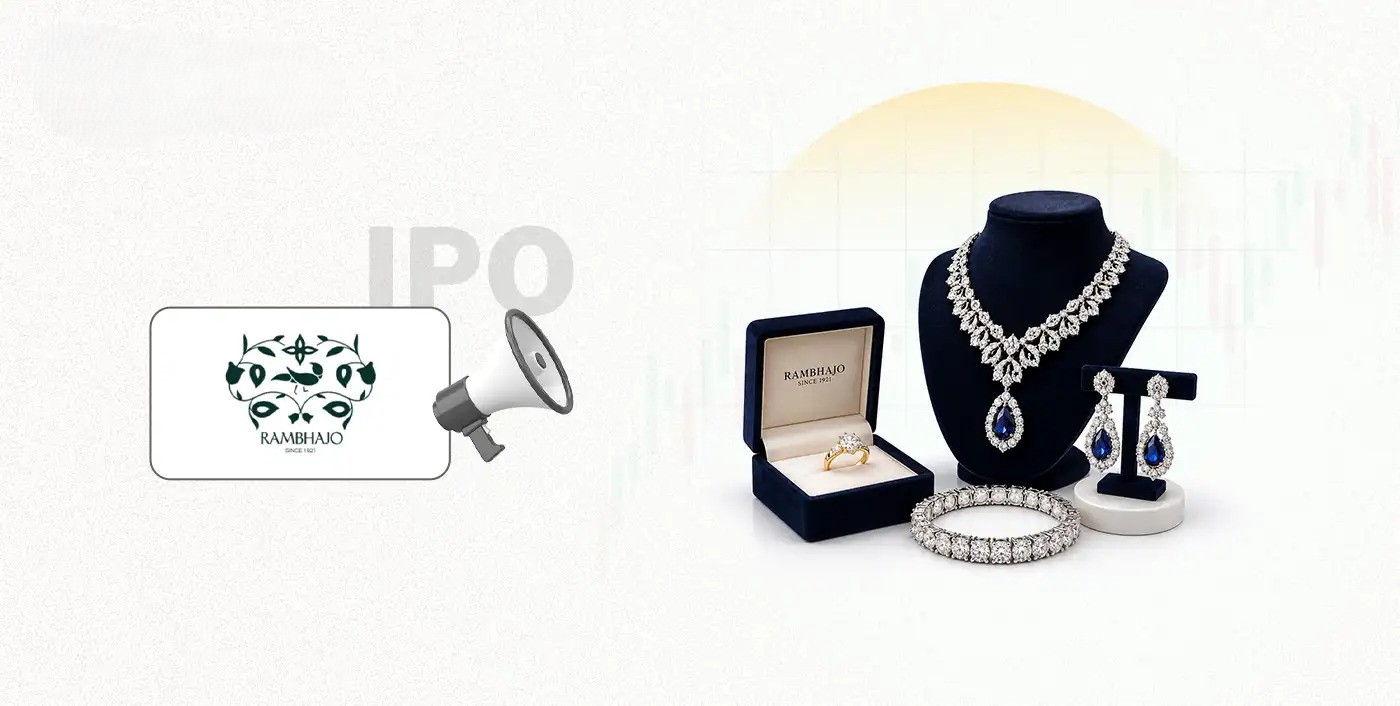
Founded in 2019, Advit Jewels creates and sells high-quality handcrafted jewelry under the "Rambhajo" brand, focusing on Kundan, Polki, diamond, and studded pieces. For the nine months ending December 31, 2025, the company recorded revenue of ₹1,238 crore and a net profit of ₹254.4 crore. The grey market premium (GMP) is about ₹52, suggesting a possible listing price of ₹190 per share, which is nearly 38% above the upper issue price of ₹138.
The IPO consists solely of a new issue of 1.20 crore shares, with the funds mainly allocated for paying off debt, working capital, and general corporate expenses. Allotment of shares is expected on June 29, with demat credits and refunds on June 30, and the listing likely to occur on July 1 on BSE and NSE. Most brokerage firms have a positive outlook on the IPO, emphasizing the company's strong financial growth, premium product range, healthy margins, and long-term potential. However, they also caution about risks like geographic concentration and high working capital needs.
Founded in 2019, Advit Jewels creates and sells high-quality handcrafted jewelry under the "Rambhajo" brand, focusing on Kundan, Polki, diamond, and studded pieces. For the nine months ending December 31, 2025, the company recorded revenue of ₹1,238 crore and a net profit of ₹254.4 crore. The grey market premium (GMP) is about ₹52, suggesting a possible listing price of ₹190 per share, which is nearly 38% above the upper issue price of ₹138.
The IPO consists solely of a new issue of 1.20 crore shares, with the funds mainly allocated for paying off debt, working capital, and general corporate expenses. Allotment of shares is expected on June 29, with demat credits and refunds on June 30, and the listing likely to occur on July 1 on BSE and NSE. Most brokerage firms have a positive outlook on the IPO, emphasizing the company's strong financial growth, premium product range, healthy margins, and long-term potential. However, they also caution about risks like geographic concentration and high working capital needs.
Source Information
Originally published on major financial portals.